
Why High-Traffic Areas Get Dirty Faste
High-traffic areas are spaces where people move through or gather the most, such as the entrance, hallways, living room, and kitchen. These spots quickly collect dirt, dust, and debris because foot traffic carries in particles from outside, surfaces are touched repeatedly, and constant movement stirs up settled dust.
Every time someone walks through a room, they bring in fine particles from shoes, clothing, and skin. These areas can look dirty within a day or two of cleaning if precautions are not taken.
How To Keep High Traffic Areas Clean?
Given below are the 10 best cleaning tips for busy homes.
1. Create A Daily Cleaning Routine
You do not need complicated cleaning routines. Just 10 to 15 minutes of quick sweeping, mopping, and picking up clutter in high traffic areas can prevent dirt from accumulating. If you are pondering how to maintain a clean home daily, this is one of the best tips.
2. Use Entry Mats To Reduce Dirt
Placing a mat outside your front door and another just inside stops dirt before it spreads through your home. A good outdoor mat with a rough texture scrapes mud and debris off shoe soles, while the indoor mat of smooth texture catches whatever remains. Just make sure to shake or vacuum your mats at least once a week. This is one of the best ways to reduce dirt entering your home.
3. Remove Shoes At The Entrance
If you enter your home wearing shoes, the dust, pollen, bacteria, pesticides, and other contaminants on them settles on your floors and carpets. So, it is always better to remove them at the door. If you are curious how to keep floors clean in high traffic areas, this is one of the simplest tips.
4. Vacuum And Sweep Frequently
If you are wondering how to reduce dust in your home, sweep at least three to four times in a week. Dust and fine particles settle on hard floors and become embedded in carpet fibres quickly. Waiting too long between cleanings makes it a little challenging to clean.
When vacuuming, move the vacuum slowly and go over each section more than once so the machine has enough time to pull particles out of the fibers properly. For carpeted areas, vacuum in overlapping rows in two directions to pick up more debris.
5. Keep Windows And Doors Properly Sealed
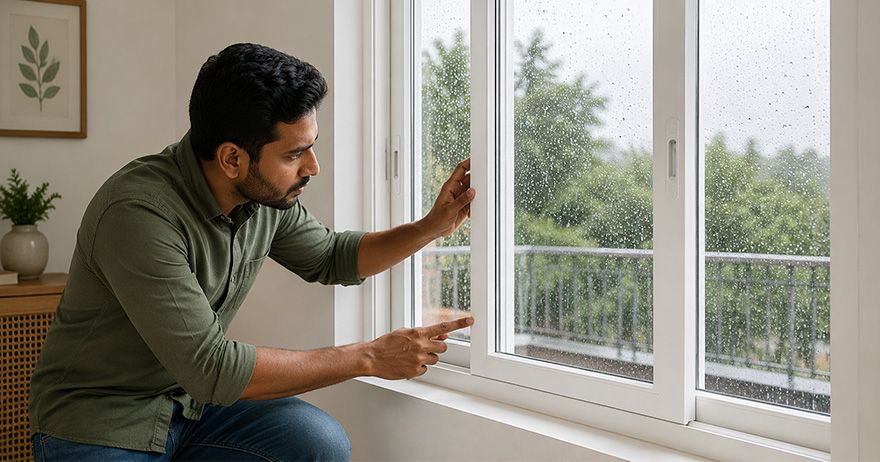
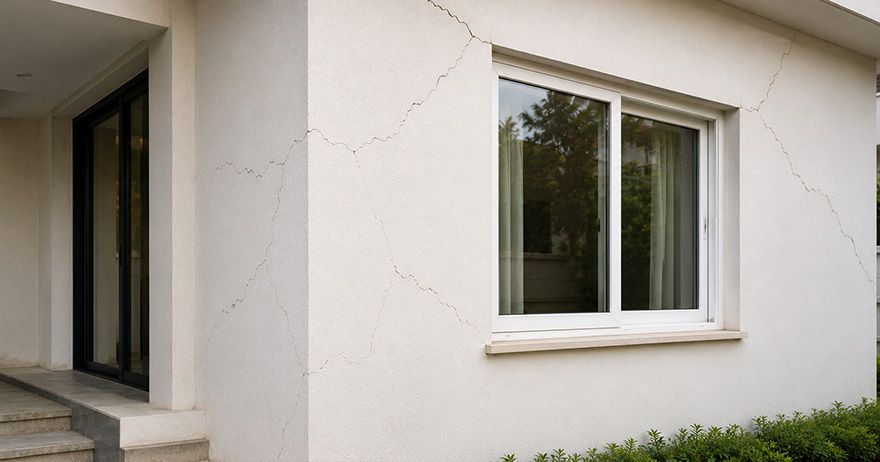
Dust comes in through gaps around window frames and door edges. Sealing these gaps with weatherstripping or caulk is crucial because they block fine particles from entering through cracks you may not even notice. You can also install door sweeps along the bottom of exterior doors to avoid dust and debris.
6. Control Dust With Regular Surface Cleaning
Dusting surfaces regularly is important. But when you use a dry cloth or feather duster, the dust only moves from one place to another rather than going off. Use a damp microfibre cloth that traps dust and holds onto it so it does not return to the air.
When dusting, always start from the top of the room (ceiling fan, shelves, light fixtures) and work your way down (furniture, countertops, floor).
7. Organize Storage To Reduce Clutter
Clutter gives dust more space to settle on and makes it harder to clean. Keeping countertops, shelves, and common areas not too crowded, makes it easier for you to wipe or vacuum those spaces whenever possible. It is because items stored on open shelves collect dust constantly and need to be wiped individually each time you clean.
8. Clean High-Touch Surfaces Daily
Light switches, door handles, remote controls, and kitchen counters are some of the many items that are touched a lot of times in a day by everyone in the household. These surfaces collect bacteria and grime quickly and so, need to be wiped down daily with a damp cloth or a mild all-purpose cleaner.
9. Improve Indoor Air Quality
Indoor air carries dust particles, pet dander, and allergens that eventually settle on every surface in your home. If you are inquisitive about how to improve indoor air quality at home, an air purifier with a HEPA filter helps by continuously pulling air through the filter and trapping particles before they settle. Change your HVAC air filters every one to three months, or more often if you have pets.
Maintaining indoor humidity between 40 and 50% is important because air that is too dry lets dust become airborne easily, while air that is too humid promotes dust mite growth.
10. Schedule Deep Cleaning Regularly
Daily and weekly easy home cleaning routine keeps things manageable, but it is recommended to do deep cleaning once a month or once a quarter. This includes washing curtains and upholstery, cleaning under heavy furniture, scrubbing grout lines, wiping down baseboards, and clearing out air vents. This is one of the best cleaning tips for families with kids.
Common Cleaning Mistakes Homeowners Make
Here are the common mistakes homeowners make or keep repeating.
- Vacuuming before dusting: Dusting disturbs particles that then settle on floors you have already cleaned. Always dust from top to bottom first, then vacuum or mop last.
- Vacuuming too fast over carpets: Speeding up does not give the machine enough time to pull dust out of fibres. Moving slowly and overlapping each pass cleans more thoroughly.
- Using a dry cloth to dust: Always use a damp microfibre cloth to clean the dust in one-go.
How Windows And Doors Help Keep Homes Cleaner
Windows and doors play an important role in how to keep your home clean. Every gap in a frame or seal is an opening through which outside dust, pollen, and fine particles enter. Sealing gaps with caulk and adding weatherstripping around door edges solves this problem. Door sweeps along the bottom of exterior doors close off the space between the door and the floor, which is a common and often overlooked entry point for dust.