Aluminium windows and doors have dominated the market for years. Later, uPVC entered, not as a design upgrade but as a performance-driven alternative, gradually replacing it, wood and steel in many households.
If you are now deciding between uPVC vs aluminium windows and doors for your home, you are in the right place. This blog compares how both materials work, where each works better, and how to choose what suits your home in the long run.
Let's get started!
uPVC vs Aluminium Windows And Doors: Understanding The Materials
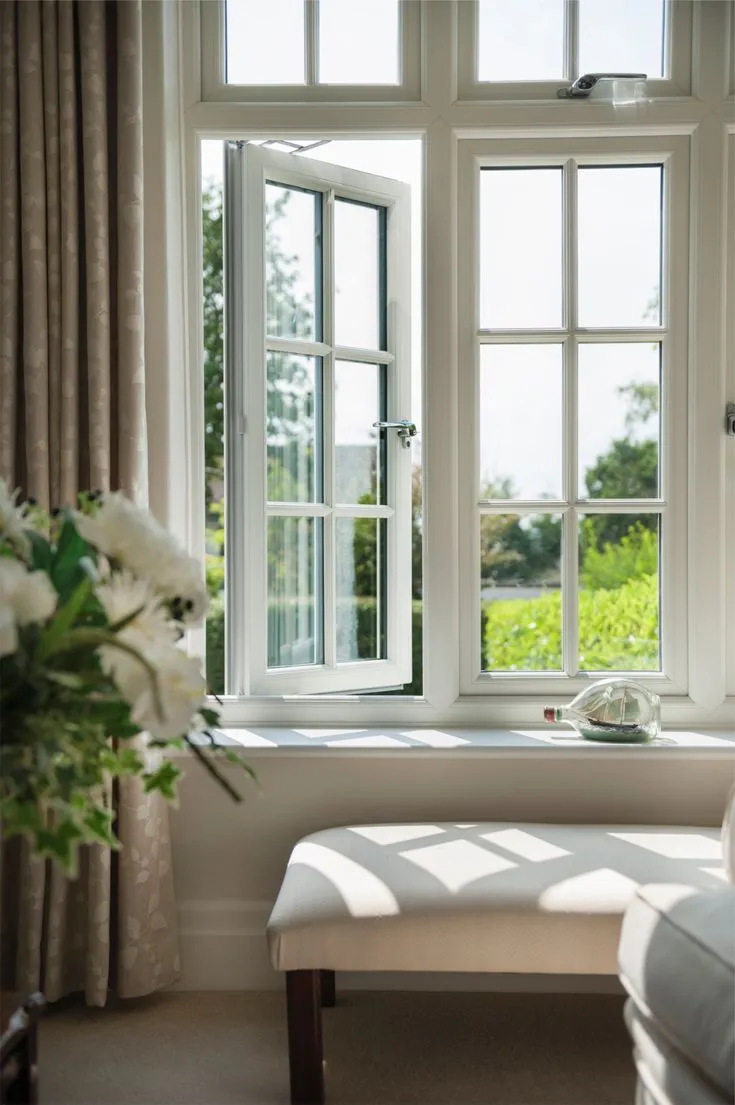
uPVC (unplasticised polyvinyl chloride) is a rigid plastic material widely used for manufacturing windows and doors.
Pros:
- Does not rust, rot, or absorb moisture
- Hollow inside for insulation against heat and noise
- Very little upkeep needed
- Affordable
Cons:
- Not as strong for very large windows/doors
- Limited colour/finish options
- Less fire-resistant than aluminium
- Less suited for floor-to-ceiling windows
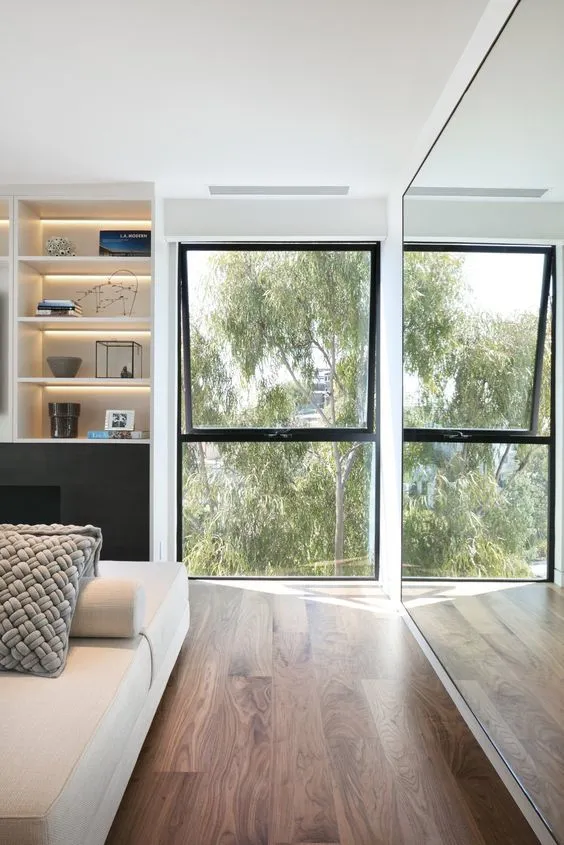
Aluminium is a metal known for its strength and slim profile.
Pros:
- Sharp, modern look with larger glass panels
- Does not rust or rot, long lifespan
- Improved with better coatings/fittings
- Used for high-rise buildings and wide openings
Cons:
- Higher initial cost
- Conducts heat easily (needs thermal breaks)
- Can scratch easily
- May corrode in coastal areas
- Less sound insulation
- Heavier, challenging transport/installation
Both uPVC and aluminium windows and doors work well when high-grade quality and properly installed.
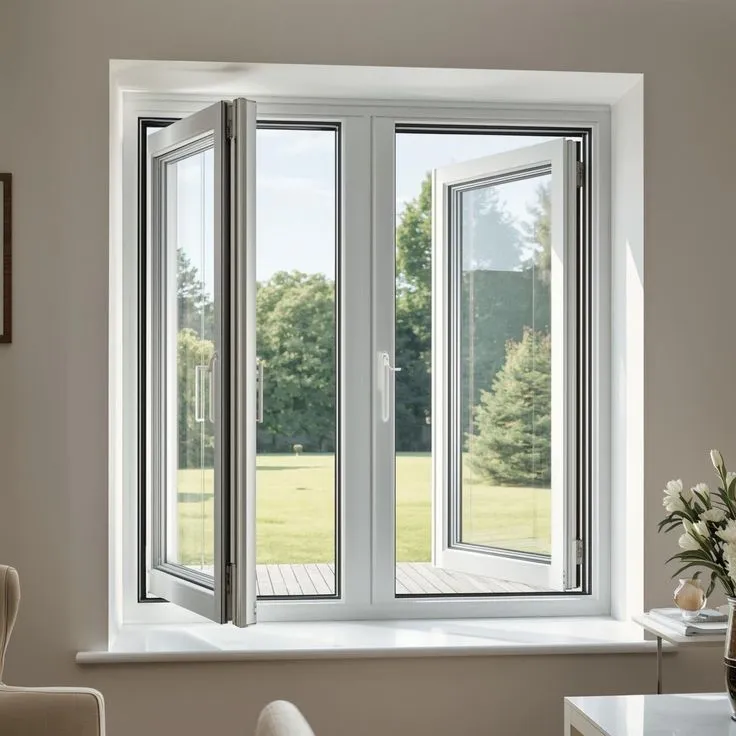
uPVC Vs Aluminium Windows
| Feature | uPVC Windows | Aluminium Windows |
|---|---|---|
| Heat insulation | Very good, keeps rooms cooler | Lower, heat transfers faster |
| Sound insulation | Reduces noise effectively | Less effective |
| Frame thickness | Thicker for better sealing | Slim with more glass |
| Maintenance | Almost maintenance-free | Occasional cleaning |
| Climate suitability | Heat, dust, rain | Moderate climates |
| Long-term appearance | No corrosion/fading | May lose finish |
Aluminium Vs uPVC Doors
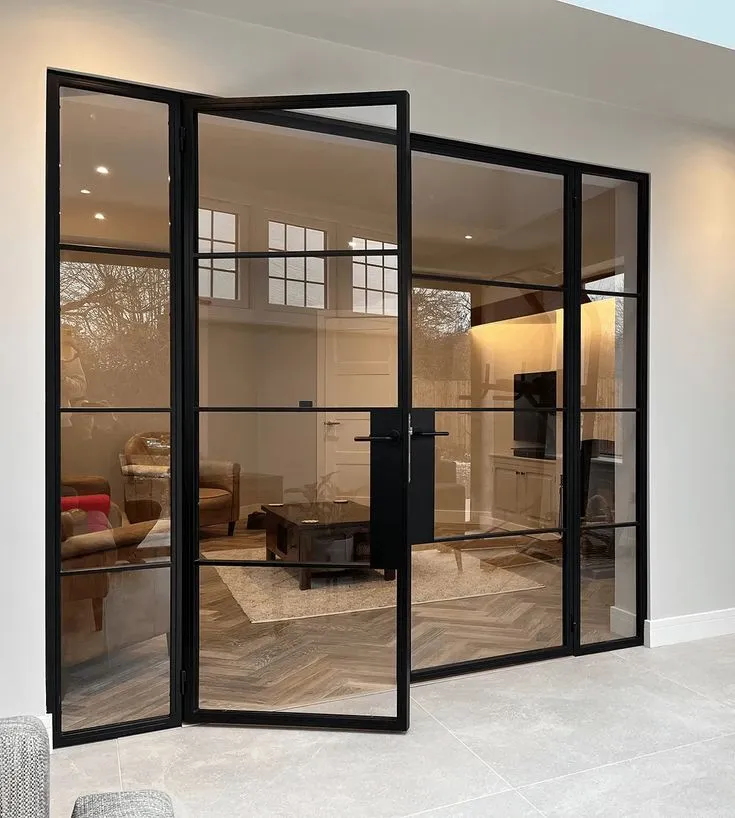
| Feature | Aluminium Doors | uPVC Doors |
|---|---|---|
| Main door strength | Stronger, more rigid | Strong for internal/balcony |
| Sliding operation | Smooth for large openings | Better for medium openings |
| Security fittings | Heavy-duty hardware | Standard fittings |
| Weight/handling | Heavier but stable | Lighter, easier |
| Indoor/outdoor | Large balconies/patios | Internal/semi-outdoor |
uPVC Vs Aluminium Windows And Doors: Cost Comparison
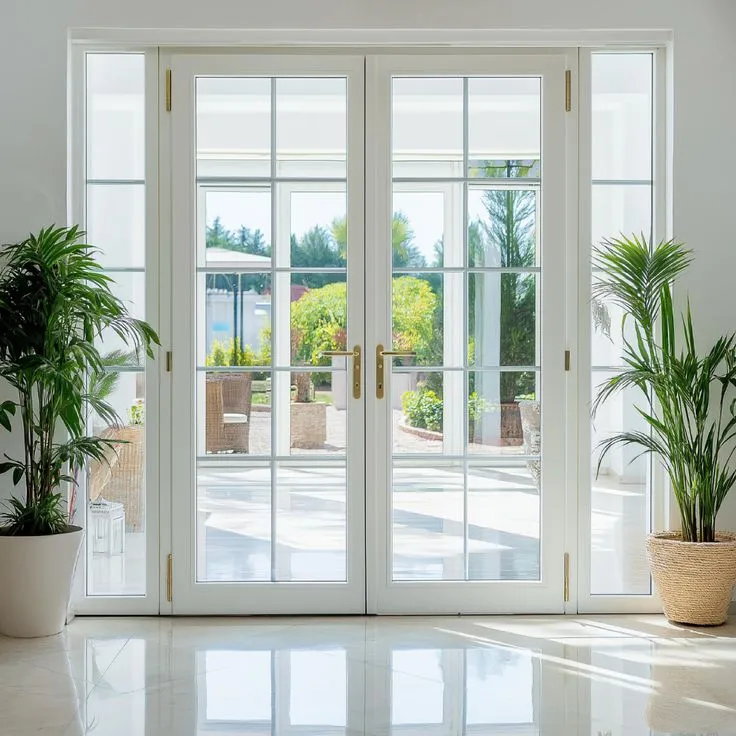
uPVC: ₹400-₹1200 per sq ft
Aluminium: ₹400-₹1600 per sq ft (premium thermal break higher)
How To Choose The Best For Indian Homes?
uPVC better for:
- Traffic-prone, busy, loud areas (insulation)
- Hot cities (cooler interiors)
Aluminium better for:
- Large openings, wide balconies
- Floor-to-ceiling glass
Best approach: Mix both—uPVC windows for bedrooms/living, aluminium doors for large balconies.
Why Choose IndiFrame For The Best uPVC Windows And Doors?
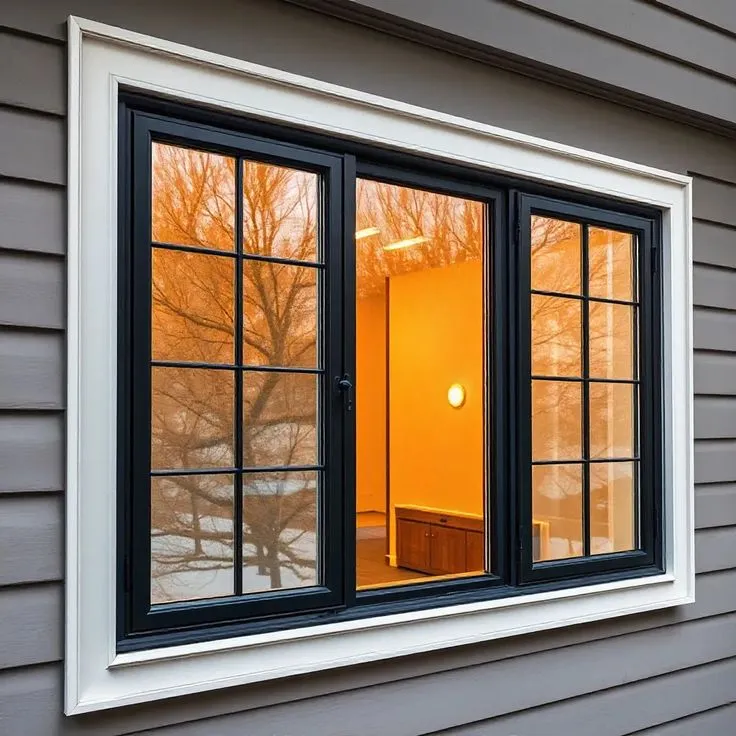
IndiFrame's uPVC windows and doors help reduce heat and keep your home energy-efficient. Less cooling and maintenance means lower bills, making them a smart choice for Indian homes.
uPVC Vs Aluminium Windows And Doors FAQs
Q1: Are uPVC and aluminium windows Vastu compliant?
A: Yes, both work per Vastu. Placement, alignment, direction, and airflow matter more than material.
Q2: Can wooden/steel windows be replaced with uPVC/aluminium?
A: Yes, most can be replaced using same openings, just changing frames, glass, hardware.
Q3: Do modern windows increase resale value?
A: Yes, durable, low-maintenance uPVC/aluminium enhance value and modern appeal.
Final Takeaway
From the 'uPVC vs aluminium windows and doors' comparison, choose what suits your needs—not what's superior. Both work well in Indian homes when selected based on climate, usage, and long-term comfort.
Check out uPVC windows price in Hyderabad!
_converted.webp)