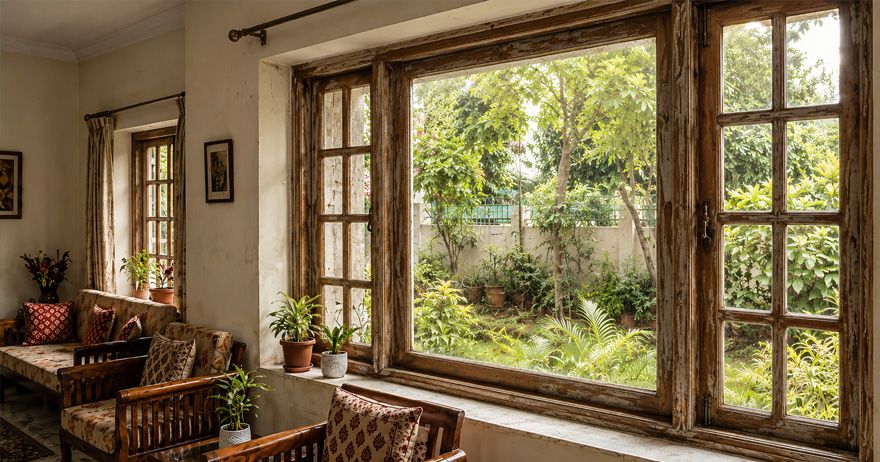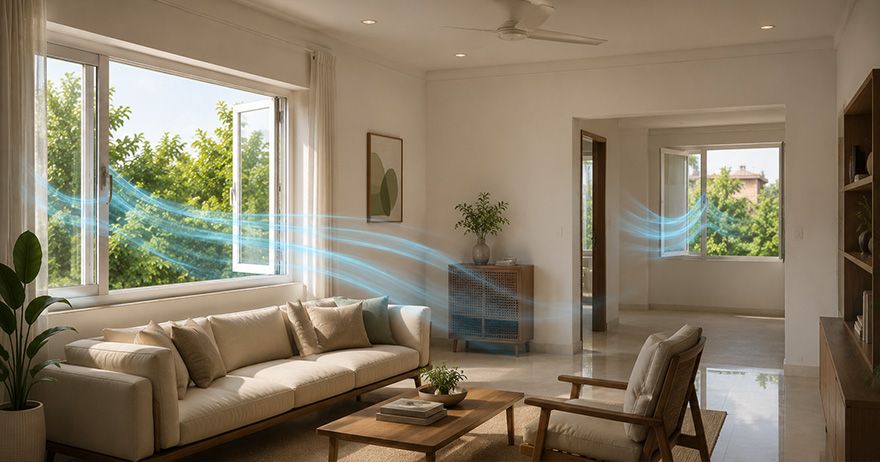
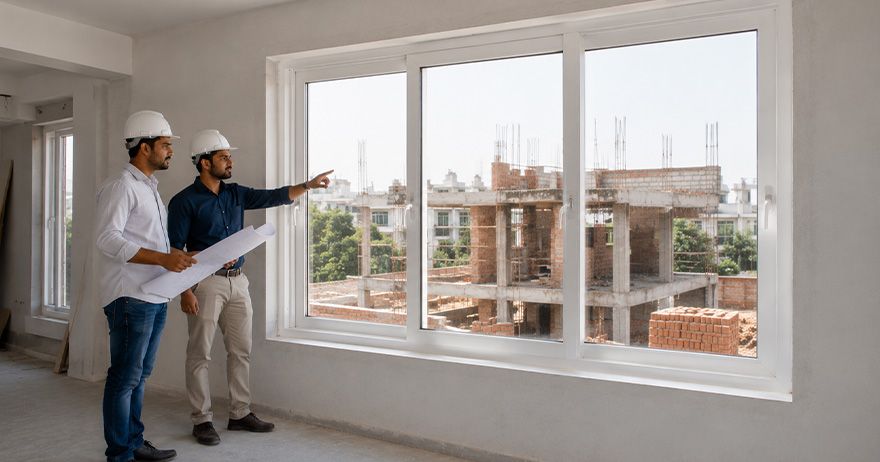
Builders select window systems based on factors such as durability, energy efficiency, ease of installation, maintenance requirements, weather resistance, and long-term value. Modern window systems, particularly high-quality uPVC and advanced aluminium solutions, offer better insulation, improved performance, and consistent manufacturing standards compared to traditional alternatives. Choosing the right window system can reduce maintenance costs, enhance occupant comfort, and improve the overall quality and efficiency of a building.
What Is a Window System?
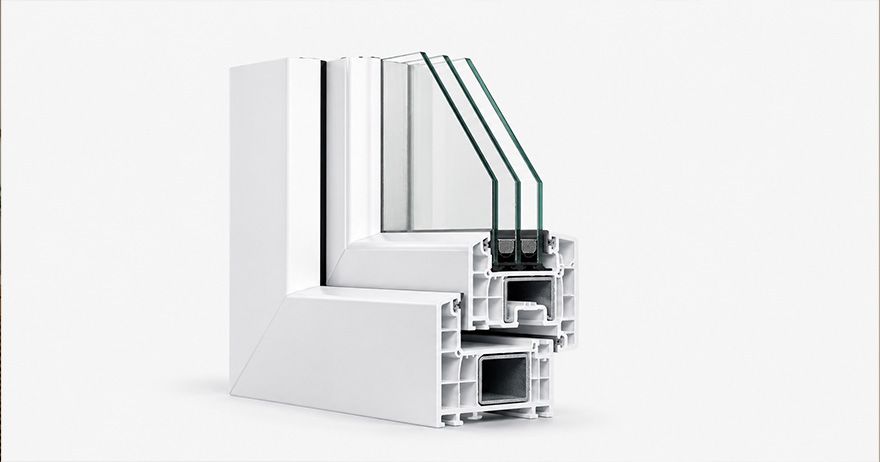
A window system is not simply a pane of glass set in a frame. It is an engineered assembly of multiple components which include
- Window profile or frame
- Glass or glazing
- Hardware and locking mechanisms
- Weather seals and gaskets
- Reinforcement components
- Installation accessories
Modern window systems are designed to work as a complete unit, providing better insulation, security, durability, and weather protection than traditional window solutions. Understanding how builders choose windows can help homeowners make informed choices when planning a new home or renovation.
Why Window Selection Matters in Construction?
Windows typically represent 10 to 15 percent of the external building envelope area in a standard residential project, yet they account for a disproportionate share of heat gain, heat loss, noise ingress, and moisture infiltration in the finished building.
Windows directly affect:
- Indoor comfort
- Natural lighting
- Ventilation
- Energy efficiency
- Noise control
- Maintenance costs
- Building aesthetics
Poor-quality windows can lead to air leakage, water seepage, excessive heat gain, and higher maintenance expenses. That is why window selection for new construction is considered one of the most important decisions during the building process.
Key Factors Builders Consider When Choosing Window Systems
Builders evaluate several performance criteria before selecting a particular window system.
Durability and Lifespan
Durability is often the first consideration. The most durable window systems for homes are designed to maintain their structural integrity and appearance for decades with minimal deterioration.
Builders prefer windows that can withstand:
- Harsh sunlight
- Heavy rainfall
- Humidity
- Dust exposure
- Temperature fluctuations
Long-lasting windows reduce replacement costs and improve customer satisfaction.
Energy Efficiency
Energy efficiency has become a major priority in modern construction. Builders increasingly prefer energy efficient window systems that help reduce heat transfer and improve indoor comfort.
Benefits include:
- Lower cooling costs
- Improved thermal insulation
- Better indoor temperature control
- Reduced energy consumption
These benefits are especially important in regions with extreme temperatures.
Weather Resistance
Windows must perform well under varying weather conditions. India's climate presents a wide range of weather resistance challenges that degrades materials prone to moisture absorption.
Builders assess:
- Water tightness
- Wind resistance
- UV resistance
- Air infiltration performance
Weather-resistant windows help prevent leaks, drafts, and structural damage over time.
Noise Reduction
Urban environments often face increasing noise pollution. Modern window systems with proper sealing and advanced glazing can significantly reduce outside noise.
Benefits:
- Better sleep quality
- Improved concentration
- Enhanced indoor comfort
This is particularly valuable for homes near busy roads, airports, or commercial zones.
Maintenance Requirements
Builders often choose systems that require minimal upkeep. From a builder's perspective, low maintenance requirements reduce post-handover service calls and protect reputation.
Low-maintenance windows offer:
- Easier cleaning
- No repainting requirements
- Resistance to corrosion
- Long-lasting appearance
Reduced maintenance translates into lower ownership costs over the life of the building.
Installation Efficiency
Builders managing construction programmes with hundreds or thousands of window openings across multiple projects simultaneously care about how quickly and consistently windows can be installed. Installation quality directly affects window performance.
Builders prefer systems that offer:
- Accurate manufacturing
- Consistent dimensions
- Faster installation
- Reduced site errors
Efficient installation helps projects stay on schedule and minimizes rework.
Cost and Long-Term Value
While initial cost matters, builders often focus on total ownership cost.
They consider:
- Purchase price
- Installation expenses
- Maintenance requirements
- Lifespan
- Energy savings
A slightly higher upfront investment may provide better long-term value if the system delivers superior performance.
Why uPVC Window Systems Are Popular Among Builders?
One reason why builders prefer uPVC windows is their ability to combine durability, energy efficiency, and affordability in a single solution. Some of the key advantages are given below that makes uPVC one of the best windows for Indian homes today.
Excellent Thermal Insulation
uPVC frames help reduce heat transfer and improve indoor comfort.
Low Maintenance
They do not require painting, polishing, or special treatments.
Weather Resistance
uPVC performs well under Indian weather conditions, including heavy rains and intense sunlight.
Noise Reduction
When paired with quality glazing, uPVC windows provide effective sound insulation.
Long Service Life
Most premium systems can last 20 to 30 years with minimal maintenance.
uPVC vs Aluminium Window Systems
The debate around uPVC vs aluminium windows for builders continues because both materials offer unique benefits.
| Factor | uPVC Window Systems | Aluminium Window Systems |
|---|---|---|
| Thermal performance | Excellent with low conductivity profile and good base for double glazing | Moderate and requires thermal break to match uPVC as standard aluminium conducts heat readily |
| Noise Reduction | Very good with double glazing and multi-point seal | Good with the same glazing and marginally lower due to frame resonance |
| Corrosion resistance | Excellent and will not rust or corrode in any Indian climate zone | Good inland and requires marine-grade finish and hardware near the coast |
| Maintenance | Minimal with only soap and water cleaning and no painting or treatment required | Low with hardware servicing and periodic cleaning for coastal projects |
| Profile slimness | Moderate with wider profiles due to wall thickness requirements | Slimmer sightlines that allow a larger glass area in the same opening |
| Colour range | White as standard with foil-laminated colour finishes and cannot be repainted on site | Wide range with powder coating in any RAL colour and can be repainted if needed |
| Cost | Lower to moderate depending on profile grade and hardware quality | Moderate to high with thermal break aluminium being significantly more expensive |
| Cost | Lower to moderate depending on profile grade and hardware quality | Moderate to high with thermal break aluminium being significantly more expensive |
| Design flexibility | Suited to standard residential window types and sizes | Better for very large spans curtain wall systems and bespoke profiles |
| Best suited for | Residential projects across all Indian climate zones and the mid-to-premium segment | Premium residential commercial coastal and large-format glazing applications |
How Window Systems Affect Building Performance?
Windows play a major role in overall building performance. High-quality window systems contribute to the following below.
- Better energy efficiency and reduce unwanted heat transfer.
- Improved comfort and maintains consistent indoor temperatures.
- Enhanced security using multi-point locking systems.
- Better air quality and proper ventilation options support healthier indoor environments.
- Reduced noise, advanced glazing and sealing improve acoustic performance.
Common Mistakes When Choosing Windows
Many homeowners make decisions based solely on appearance or price.
Common mistakes include:
- Ignoring energy efficiency
- Choosing poor-quality hardware
- Overlooking installation quality
- Focusing only on frame material
- Selecting unsuitable glazing
- Ignoring weather performance ratings
What Homeowners Should Know Before Selecting Windows?
Before making a decision, homeowners should evaluate the key factors to consider when choosing windows.
Ask the following questions:
- What is the local climate?
- Is noise reduction important?
- Is it really important to request for a demonstration unit?
- Am I aware of the warranty provided?
- How much maintenance am I willing to do?
- Do I need thermal insulation?
- What is my budget?
- Which window style suits my home?
Understanding these factors helps homeowners select the best window systems for homes based on their specific needs.
Future Trends in Window Systems
The window systems market in India is evolving quickly, driven by rising buyer expectations, climate awareness, and technology availability which are shaping the future of modern window systems for construction.
Popular trends include:
- Smart Windows: Glass that adjusts tint based on sunlight intensity.
- Larger Glazing Areas: Providing more daylight and stronger indoor-outdoor connections.
- Sustainable Materials: Environmentally friendly manufacturing processes.
- High-Performance Glass: Improved thermal and acoustic performance.
- Integrated Security Features: Advanced locking systems and smart sensors.