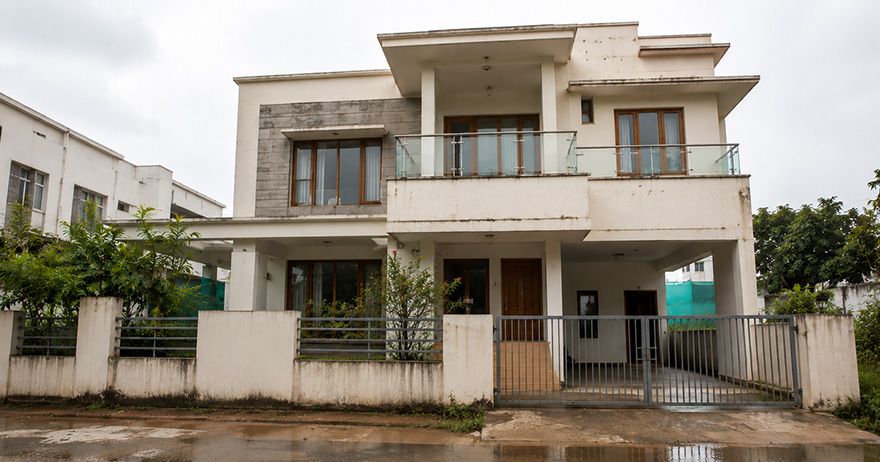
Property value is influenced by a combination of maintenance, design, location, functionality, and market demand. While some factors are beyond a homeowner's control, many value-reducing issues can be prevented through regular upkeep and smart upgrades. Problems such as water damage, outdated interiors, poor curb appeal, inefficient windows, neglected repairs, and structural defects can significantly affect a property's attractiveness and resale value. Understanding these risks helps homeowners protect their investment and maximize long-term returns.
Why Property Value Matters?
For most Indian households, a home represents the single largest financial asset they will ever own. A well-maintained home in a good location can appreciate steadily over a decade.
A strong property value offers several benefits:
- Higher resale potential
- Better return on investment
- Improved buyer interest
- Easier financing opportunities
- Greater long-term wealth creation
Understanding the key factors affecting property value can help homeowners avoid costly mistakes and preserve their investment for years to come. Many homeowners focus on buying a property but pay less attention to maintaining it over time. However, it requires consistent care and timely improvements.
The 10 common mistakes that answer what decreases property value are given below.
1. Poor Home Maintenance
One of the biggest reasons properties lose value is simple neglect. Small issues often become larger and more expensive when left unattended.
Common examples include:
- Broken fixtures
- Peeling paint
- Damaged flooring
- Cracked tiles
- Worn-out fittings
- Hairline crack in wall
Potential buyers often assume under maintained homes may have hidden problems and that results in less willingness to pay premium prices. Strong home maintenance and property value go hand in hand.
2. Water Damage and Leakage Problems
Water damage is one of the fastest ways to reduce buyer confidence. Water damage is both highly visible and perceived as a systemic problem.
Common warning signs include:
- Damp walls
- Ceiling stains
- Mold growth
- Leaking pipes
- Bathroom seepage
Water-related issues suggest poor maintenance and may indicate structural concerns. Prompt repairs help prevent long-term damage and preserve property value.
3. Cracks, Structural Issues and Settlement Damage
Visible structural damage often creates an immediate red signal for buyers. It also indicates safety risk.
Examples include:
- Wall cracks
- Foundation movement
- Uneven floors
- Structural settlement
Structural repairs can be expensive and that makes buyers cautious about purchasing the property. These issues are among the most serious property depreciation causes homeowners should address immediately.
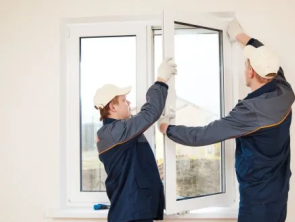
4. Outdated Windows and Doors
Windows and doors are among the most noticed elements of a home during any buyer inspection. Old windows and doors can negatively affect both appearance and performance.
Problems may include:
- Poor insulation
- Difficult operation
- Air leaks
- Outdated appearance
- Security concerns
Modern buyers often prioritize comfort, energy efficiency, and aesthetics. Upgraded windows and doors can improve functionality and at the same time enhances the overall ambience of the home.
5. Low Energy Efficiency
Energy efficiency has moved from a niche concern to a mainstream consideration in Indian residential property over the past five years.
Common issues include:
- Poor insulation
- Single-glazed windows
- Air leakage
- Inefficient cooling systems
- High utility costs
Buyers are often attracted to homes that offer lower operating costs and better comfort. Improving efficiency is one of the smartest ways to protect property investment over the long term.
6. Poor Curb Appeal
First impressions matter. The exterior appearance of a home strongly influences buyer perception before they even step inside.
Common curb appeal problems include:
- Overgrown landscaping
- Faded paint
- Damaged pathways
- Poor lighting
- Untidy entrances
A neglected exterior can make the entire property appear less desirable. It is one of the most common mistakes that reduce home value.
7. Neglected Exterior Surfaces
External wall finishes, compound walls, external staircases, balcony parapets, and roof surfaces are all exposed to sun, rain, and pollution. They require regular upkeep.
Common issues include:
- Cracked plaster
- Fading paint
- Water stains
- Broken cladding
- Damaged roofing materials
Exterior deterioration often signals larger maintenance concerns to potential buyers. Routine inspections can prevent expensive repairs later.
8. Outdated Interior Finishes
Styles change over time. Interiors that feel outdated can reduce buyer interest even when the property is structurally sound.
Examples include:
- Old flooring materials
- Dated kitchen finishes
- Worn cabinetry
- Obsolete lighting fixtures
- Outdated bathroom designs
Modern buyers typically prefer move-in-ready homes. The good news is that interior refreshes do not require structural changes. Strategic upgrades are often among the most effective home improvements that increase value.
9. Poor Space Planning and Functionality
Today's buyers value practical layouts that support modern lifestyles. Buyers pay for usable, logical space, and not just for total square feet.
Common problems include:
- Wasted space
- Poor storage solutions
- Awkward room layouts
- Inconvenient circulation paths
Functionality influences everyday comfort and usability. A well-designed layout can significantly improve a property's appeal and overall property value.
10. Ignoring Preventive Maintenance
Many homeowners only address issues after they become serious. Reactive maintenance is fixing things after they fail whereas preventive maintenance is identifying and addressing issues before they become failures. Reactive maintenance is always more expensive and often more disruptive than preventive intervention.
Preventive maintenance includes:
- Annual inspections
- Roof checks
- Plumbing maintenance
- Electrical system reviews
- Waterproofing assessments
Preventive care helps identify small issues before they become costly repairs. If you are wondering how to maintain property value, regular maintenance is one of the most important strategies.
How to Protect Your Property Value?
Most property value protection comes from consistent, unglamorous maintenance rather than one-off renovations. The most important habits which are simple to do in a busy routine are given below.
- Address repairs promptly
- Inspect the roof and external waterproofing
- Maintain exterior finishes
- Upgrade inefficient features
- Check all window and door seals
- Improve curb appeal
- Schedule regular inspections
- Modernize outdated elements
- Maintain electrical and plumbing systems proactively
- Invest in preventive maintenance
- Document all maintenance activities with dates
These practical steps help maintain market appeal and long-term performance.
Home Improvements That Offer the Best ROI
Not all renovations provide the same return on investment. If you are considering how to increase property value before selling, follow the improvements suggested below for some of the best returns.
| Improvement | Cost | Buyer Visibility | ROI Level |
|---|---|---|---|
| Exterior painting and facade repair | Low | Immediate | Very High |
| Window replacement (uPVC double glazed) | Moderate to High | High | High |
| Bathroom refurbishment | Moderate | High | High |
| Kitchen upgrade | Moderate to High | Very High | High |
| Roof waterproofing treatment | Low to Moderate | Low (Preventive) | High (risk reduction) |
| Flooring replacement | Moderate to High | High | Moderate to High |
| Interior repainting | Low | High | High |
| Door hardware and security upgrades | Low | Moderate | Moderate |
| Structural crack remediation | Moderate | High | High |
| Energy efficiency upgrades (glass and insulation) | Moderate to High | Moderate | Moderate to High |
Signs Your Property May Be Losing Value
Homeowners should watch for warning signs that may indicate declining market appeal.
Common indicators include:
- Visible maintenance issues
- Stained ceiling or damp patches on walls
- Recurring cracks in walls or at openings
- Water damage and drainage issues
- Old interiors look and musty smell in rooms
- Exterior paint peeling or chalking heavily
- Visible rust on grilles, balcony railings, or gates
- Windows difficult to open, close, or lock
- High electricity bills despite moderate usage
- Reduced buyer interest in the area
- Aging exterior finishes
While market conditions influence home prices, many of the factors that affect property value remain within a homeowner's control. Identifying problems early helps prevent further decline and supports long-term property value growth.